


If you aren’t using email graphics to sell your products, you’re missing out on substantial revenue.
Ecommerce brands with the best of intentions are sending more and more plain-text emails to their subscribers, but those good intentions have been fueled by misguided myths.
You’ve probably heard a few of them:
1. Plain-text emails don’t go to spam
2. Telling your brand story is the best way to convert prospects
3. Text-only emails are the best way to personalize content
Though they’ve been floating around for years, these myths are fiction — not fact. And if you’re not sending emails with graphics or animations because of these old wives’ tales, then they’re also costing you meaningful revenue.
Let’s dive into the three biggest myths that drive ecommerce stores to use so many text-only emails, and whether graphic or plain-text emails are better for driving ecommerce revenue.
Why do businesses send plain-text emails vs. emails with graphics?
Businesses typically send plain-text emails instead of emails with graphics because they think those text-only emails will have better deliverability and will feel more personal, which will lead to more conversions.
But that’s baffling when you consider this: Most emails that you’re sending are acquisition emails to subscribers who have never purchased anything. Visuals are incredibly important for this audience.
Why does your website have so many images? Because people want to see your products, and because you know you need to sell customers on the products first and foremost. Customers don’t come to your website to browse paragraphs of words, and the same goes for your marketing emails — especially since text doesn’t contribute to SEO like it would on your website.
Just like how you might browse the aisles of a bookstore looking for a cover that catches your eye, or scan the shelves at a wine store looking for a label that stands out, your subscribers are combing their emails for products that pop. Plain-text emails don’t facilitate that.
Email myth #1: Plain-text emails don’t go to spam
Many businesses have adopted a plain-text email strategy because they are afraid of their marketing emails going to spam.
That’s not an unfounded concern. Email deliverability is a real, legitimate worry for ecommerce stores. For businesses that are purely digital — and even those that also have brick-and-mortar stores — email is often the main form of contact for acquiring and retaining customers.
Being relegated to the spam folder by an email client like Google is a dagger for small businesses, since only about half of all customers check their spam folder more than a few times a year, if at all. And so, many ecommerce stores stick to plain-text because they think it’ll keep them out of the spam folder.
Email clients, however, have extremely complex black-box algorithms.
The number of emails sent worldwide has jumped by 24% in the last five years, which is an increase of 64 billion emails. Major email clients like Google and Outlook have been cracking down on spam for years, using an ever-evolving “black box” algorithm to decide what looks safe enough to deliver to inboxes and what looks suspicious enough to relegate to the junk folder.
These algorithms take more into account than just “is there an image in this email?” (If you’ve ever gotten the infamous graphic-only “You’ve Won a Yeti Cooler” email purporting to be from Dick’s Sporting Goods in your inbox, you know this all too well.)
Though email clients are intentionally secretive about their methodology, it’s common knowledge that what means the most to them is your domain’s reputation and technical setup, your IP’s reputation, if recipients are marking your emails as spam, and if you are sending emails unsolicited.
Think email graphics are the biggest spam red flags for email clients? Unlikely. Look no further than Gmail’s latest spam protection updates, which are focused on domain authentication, spam complaints, and unsubscribe UI.
Don’t let spam fears stop you from sending effective emails with well-designed images that can bring in more orders. Remember: If your emails are relevant to the people you’re emailing, they’ll open them every time.
What makes you open a brand email every time?

Email myth #2: Telling your brand story is the best way to convert prospects over email
Consider this: Most people who get your emails (your newsletters, your welcome emails) have never purchased from you.
Your impulse might be to win them over with some well-written storytelling, like the story of how your business was founded or some voiceover on how your business has evolved over the years. But the truth is that before a subscriber has purchased, they are highly unlikely to spend time reading multiple, long paragraphs of text in an email.
Most prospects are focused on products and incentives.
Many ecommerce stores are eager to storytell about their brand because, well, their brand is their baby. They understandably want to share their store’s origin story, what makes their store unique, and what fuels their passion for the products they sell. Typically this is done in a long-form plain-text email.
But the truth is that no one loves your brand and business quite like you do, and for prospects, the entry point for loving your brand starts with the actual products.
Which email stands out more to you?

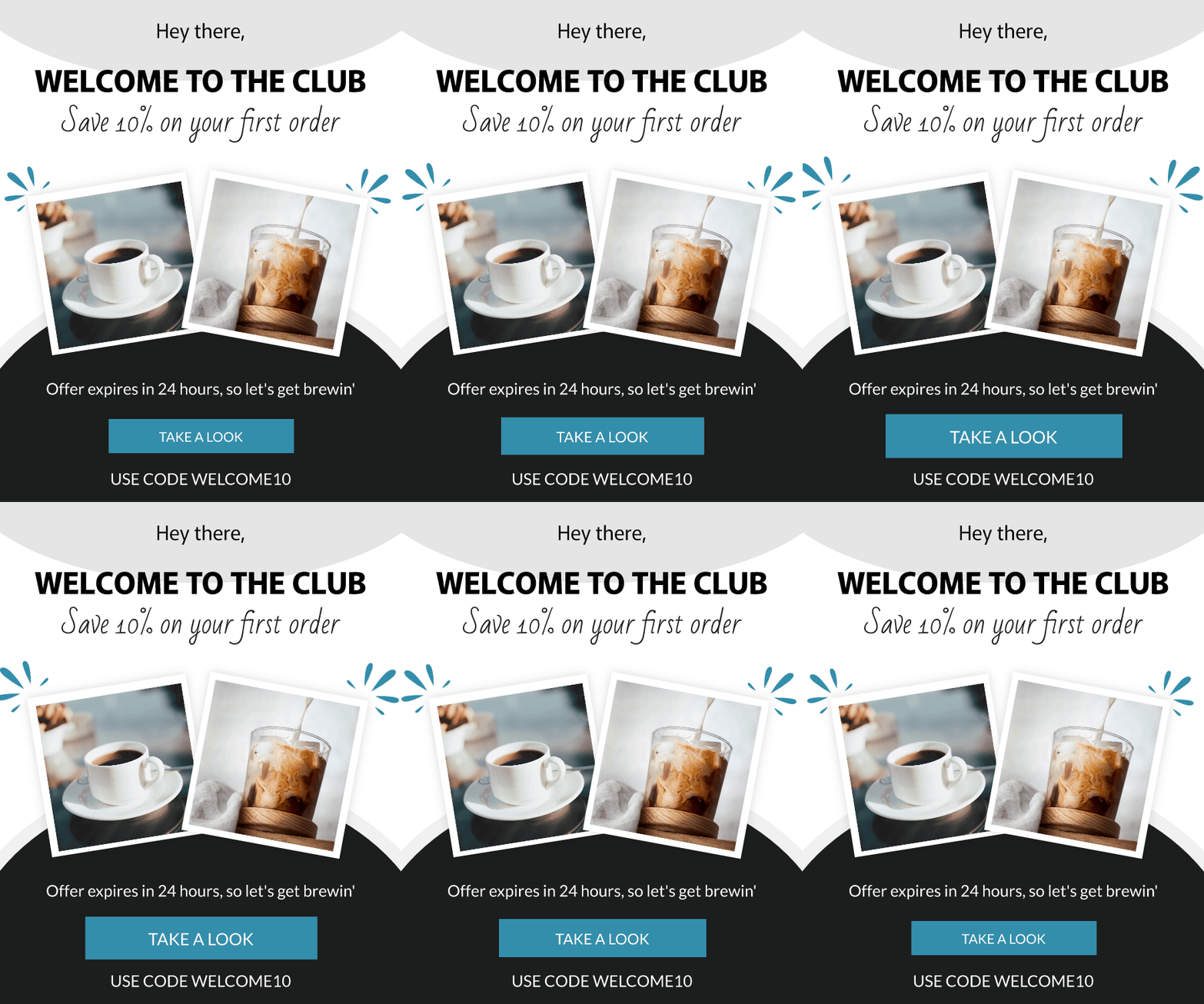
Most prospects joined your newsletter for a discount. Website pop-ups with discount incentives — e.g. give us your email address and we’ll give you 10% off — are so effective because they meet prospects where they are. Prospects are casual browsers who respond best to a very tangible nudge, such as a clearcut discount, to push them down the purchase funnel.
In fact, over 90% of online shoppers said prices, low costs, and free shipping were the top reasons that influenced their decision to shop with an online retailer.
Remember the analogy from earlier: Prospects are in the proverbial wine store, surrounded by hundreds of brands trying to get their attention, and scanning the “sale” tags and label designs for something that pops. Visuals are really important in this stage of the purchase funnel.
Your brand story makes a bigger impact on purchasers.
That superficial relationship becomes deeper, however, once someone buys your products. If they use them and like them, they want to invest more time in your brand. The brand story adds additional context and serves as the glue to build loyalty.
They tried the wine and liked it. Then they found out the winery has a long family history, uses sustainable practices, and donates a portion of their proceeds to local charities. The product was the crucial foot in the door, and the brand story makes them even more eager to purchase again.
Save your plain-text brand story emails for a post-purchase thank you or post-purchase check-in email.
Email myth #3: Text-only emails are the best way to personalize content
Deliverability is one big reason for the rising trend of plain-text emails, but it also became trendy as a clever way to stand out. Brands adopted “simpler” emails that felt more personal, which also were easier to produce since they didn’t need graphic design support.
Customers want real, personalized communication — not gimmicks.
Customers are less interested in emails that feel personal and more interested in emails that actually are personal to their individual interests and behavior. Plain-text might feel more personal, but it’s still a blast email that looks the same for every user. Customers can see that.
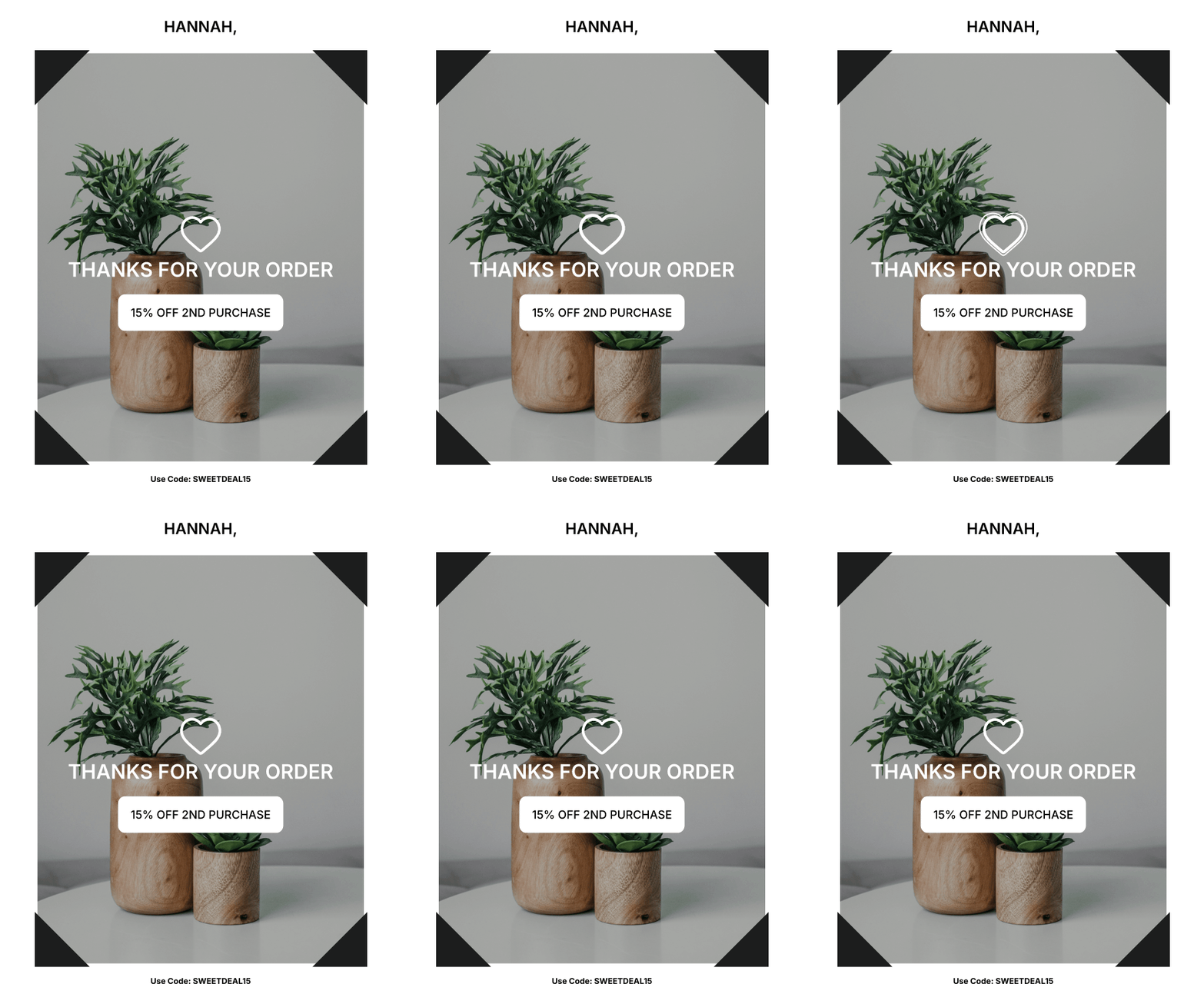
Instead, imagine an email with a hero graphic that actually was personalized to each individual user. Their name written across it. The products they recently viewed. Something that didn’t just give off the vibe of personalization, but actually was completely personalized to them.
Visuals are easier to digest than words.
People can digest imagery much faster than they digest words, so personalized visuals are going to be the best content to put in front of them.
After all, that’s the customer experience that prospects and purchasers alike both expect from ecommerce stores. Online ads have been following shoppers across the internet for years, showing them product recommendations that match their browsing history. Customers want that catered experience of seeing products and recommendations that are most relevant to them.

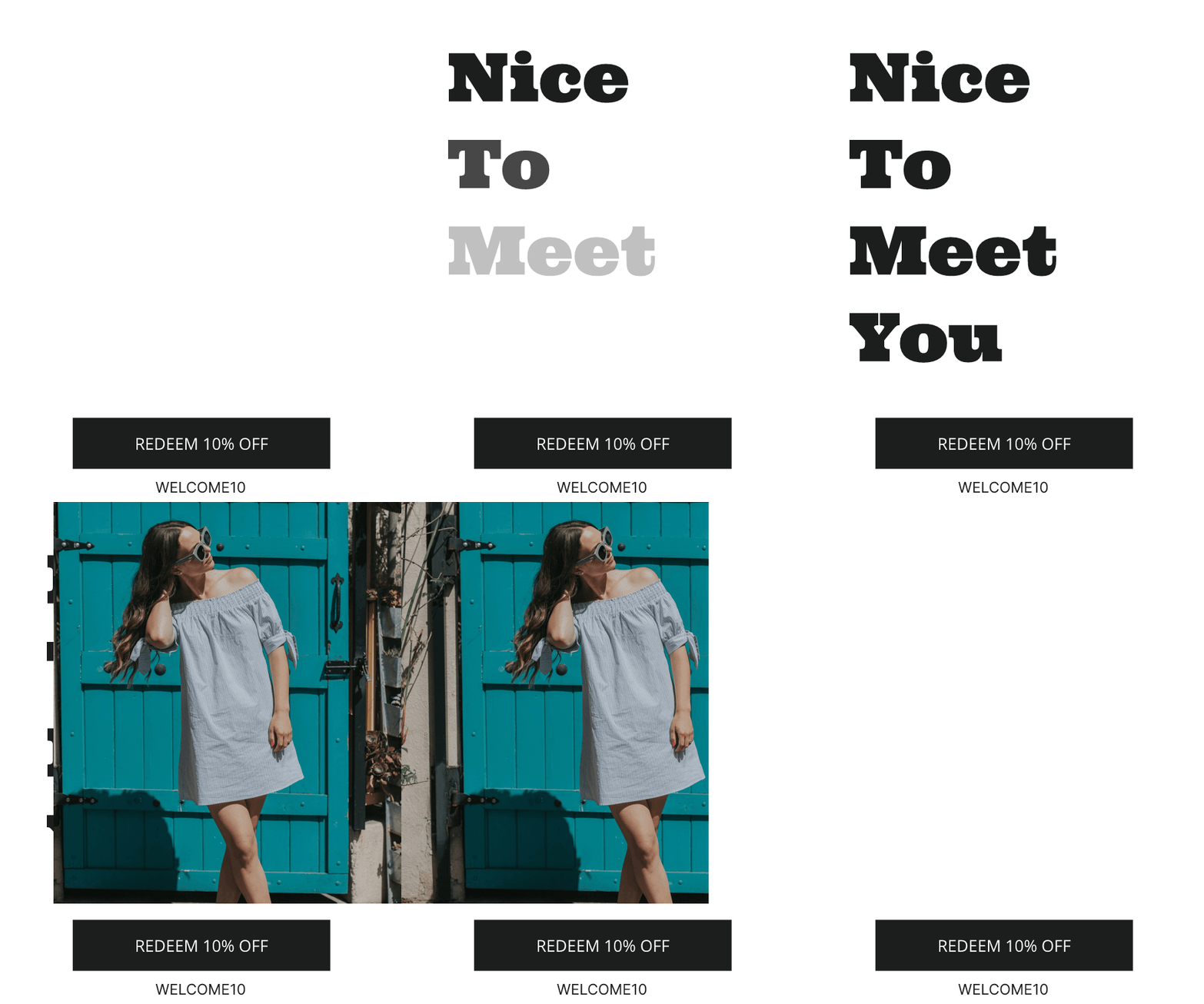
Do email graphics impact deliverability?
Images do not impact deliverability when they follow best practices around file size and email content. Images can impact deliverability:
- They are sent without any text. It can look a little phishy to email clients and anti-spam programs when you send an email that is just an image with no words. A good rule of thumb is keeping email text around 500 characters or 120 words. Many people also follow a 60/40 rule for text-to-image ratio.
- They are abnormally huge. Reduce the resolution and file size so that images are no wider than 600 pixels and no bigger than 1 MB overall. This is a good rule of thumb to avoid spam filters, but also to ensure a smooth customer experience. The larger the files, the more time it takes them to load — which could frustrate customers or leave them missing pertinent info because they closed out of the email before the graphic loaded.
The bigger issue is sending images in an unoptimized way.
Putting an image into your email is not immediately going to send your message to the junk pile. It’s also important, however, to think about graphic creation as more than just popping into Canva and creating a one-off design.
Here are a few things that will immediately make your subscribers lose interest:
- Generic images
- Static images
- Images not optimized for mobile
- Low-quality or pixelated images
- Images that take too long to load
If your audience has opted into your emails and your email is set up properly on the backend, your biggest worry shouldn’t be whether images are going to send your emails to the spam folder. It’s whether your email graphics will grab people’s attention in the inbox.
Which perform better: plain-text emails or emails with graphics?
A/B tests show that acquisition campaigns and retention flows with well-designed, personalized email graphics outperform generic plain-text emails. It’s possible that you’d see more opens with a truly plain-text email (sans any HTML, including linked words), but you won’t see many sales on an email without a link to your website or a naked link that looks unprofessional to the average shopper.


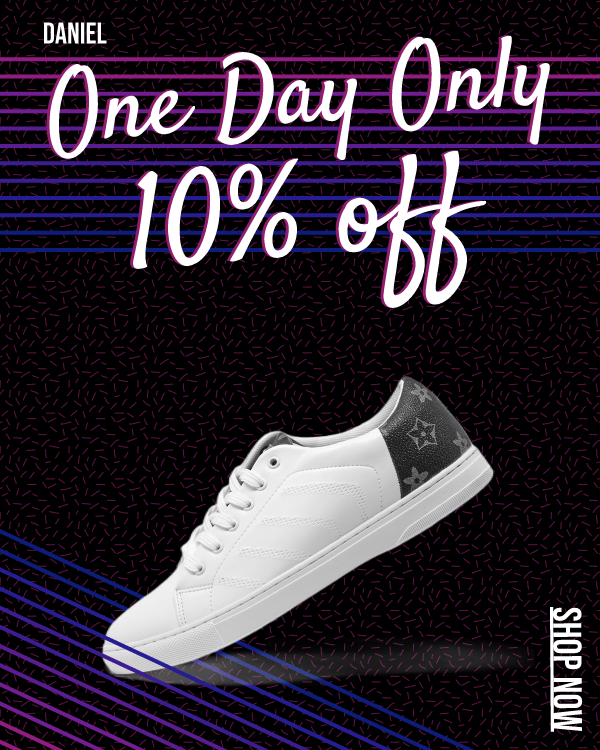
As we mentioned above, people can digest visual images faster than words. Add personalization to the mix, such as a product they’ve recently viewed, and the visual content becomes instantly compelling for each customer.
There are some times when text-only emails make sense
The caveat to the above is that there are certainly times when it makes sense to send a text-only email. Someone needs their account password reset, there is a delay in shipping, or some other transactional issue that needs to be communicated — in those scenarios, the message in the text is far more important for customers to see than a graphic.
Also, it’s important to note that though emails with graphics generally perform better, it’s important to make sure every email is accessible to every customer. For instance, if a subscriber has a visual impairment and can’t see the imagery of your email, it’s important that there is alt text there that describes the image in words.
Always make sure the content of your email makes sense, even if someone can’t see the imagery.
How do I use email graphics to make my emails perform better?
Leverage email graphics that are unique and relevant to each individual customer.
Gone are the days when a generic stock image will impress your customer base. In fact, 76% of consumers are actually frustrated when brands send them generic marketing emails.
Consumers have raised the bar for what they expect from their favorite businesses, so to keep them loyal customers, businesses have to adapt and personalize their marketing efforts.
Here are the key elements of top-performing email graphics:
- Personalized product imagery
- Personalized customer info (e.g. first name)
- Animation
- Professional, beautiful design
- Optimized for mobile and deliverability (e.g. no outrageous file sizes)
Use an app like Grid & Pixel.
Personalization, optimization, animation, and professional design all combine to make email graphics that will truly transform your email marketing and bring in more sales. But if you tried to do this from scratch, you’d need the expertise of an engineer, marketer, and graphic designer just to make it happen.
That’s where Grid & Pixel comes in. We’ve done all the work for you — pretty email templates with personalization and AI baked into the graphic so you can customize and add a new email design to your existing campaigns or flows in a matter of seconds.
We’ve done the hard work of hooking our AI engine into each graphic so it chooses the right imagery and link destinations. We’ve done the hard work of optimizing every single template so it looks beautiful on desktop and mobile. We’ve done the hard work of optimizing every single template so it loads super fast for your subscribers.
We’re done the hard work of designing thousands of templates for all different use cases so you don’t have to spend hours going back and forth with a freelance designer.
Ready to ditch text-only emails for personalized, AI-powered email graphics that’ll generate more revenue for your business? Add our Shopify app to get started!
